
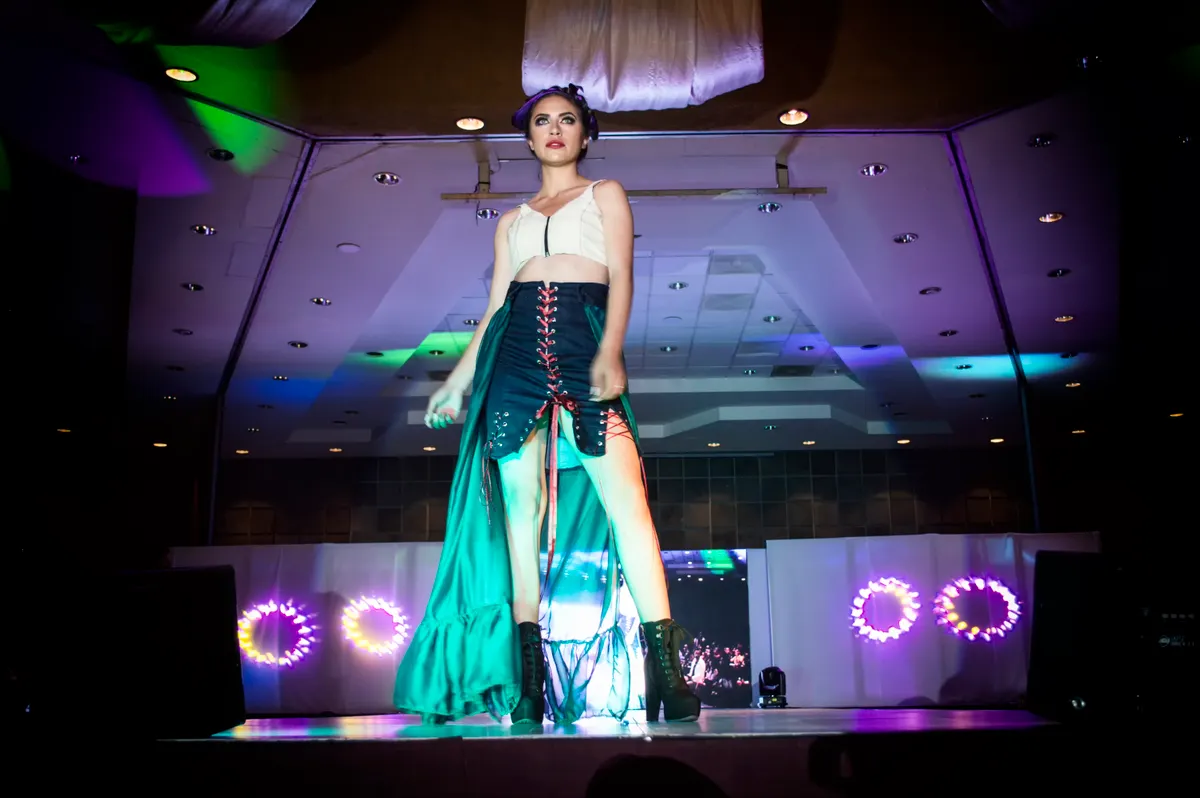

The Rio Spring 2027 collection landed at New York Fashion Week on 12 September 2026 under the title ‘HORIZONS’, drawing on the architecture of Luis Barragán, the rhythms of nature, and an idea of renewal that the brand has been quietly circling for a few seasons now.
Which is, admittedly, quite a lot of thematic weight for a ready-to-wear show. Whether the clothes carry it is the more interesting question.
What ‘HORIZONS’ Actually Looks Like on a Runway
According to Design Scene, the HORIZONS concept translates into a collection driven by ideas of renewal, with Barragán’s clean geometry and saturated colour fields as a clear visual reference. That is a credible creative starting point: Barragán’s work is all controlled mass and light, which maps reasonably onto fashion’s current appetite for volume and structure.
In practice, NowFashion reports the collection features laser-cut cotton, bubble volumes, and moulded elements. Laser cutting and moulded construction are technical commitments, not mood-board gestures, so the craftsmanship claim at least has some teeth.
NYFW ran 10–15 September 2026, and Rio’s slot on the 12th placed the show mid-week, when press and buyer attention is typically at its peak and the competition for column inches is sharpest.
Rio Spring 2027 Collection and the Streetwear Tension
Here is where the collection gets more layered. The Impression notes that the Rio Spring 2027 collection retains the brand’s signature blend of streetwear, sportswear, and what they describe as unapologetic individuality, with relaxed silhouettes and expressive elements throughout.
That is a slightly tricky combination to pull off alongside an architectural, Barragán-referencing concept. Streetwear’s logic is democratising and body-led; Barragán’s is monumental and spatial. The interesting question is whether the laser-cut and bubble-volume constructions serve as a bridge between those two sensibilities, or whether the collection ends up gesturing at both without fully committing to either.
Based on the runway imagery published by WWD, the answer looks like a considered negotiation rather than a compromise: the silhouettes are loose enough to read as relaxed and wearable, while the cut and construction details add a layer of considered intention that lifts the pieces beyond generic casualwear.
The Bigger Picture for the Brand
Rio has been building a consistent seasonal identity across several collections now. Spring 2027 continues that trajectory rather than breaking from it. The HORIZONS title and the Barragán reference give the collection a more overtly intellectual framing than some previous seasons, which will either read as growth or as reaching, depending on your tolerance for fashion’s habit of borrowing from architecture when it wants to signal seriousness.
What the collection does not appear to do is abandon the wearability and energy that have made the brand’s streetwear-sportswear axis worth watching in the first place. Bubble volumes and laser-cut cotton are not exactly quiet, but they are still clothes people might plausibly wear, not sculptures staged on bodies for the sake of a press narrative.
The real test, as always, is whether the editorial enthusiasm translates into retail performance when the pieces actually arrive. Spring 2027 deliveries will tell that story. In the meantime, the HORIZONS collection positions Rio as a brand willing to push its construction vocabulary while keeping one foot firmly in the wearable end of the spectrum, which is probably the right balance for where the market is sitting right now.
