

The WWD-covered Zankov Spring 2027 collection landed on the New York Fashion Week runway in September 2026, and the context around it is almost as layered as the knitwear itself.
Henry Zankov showed the collection while simultaneously settling into one of the bigger gigs in American fashion: creative director of Diane von Furstenberg. Two brands, one season, one building. Since taking that role, he has moved his eponymous label into DVF’s headquarters in the Meatpacking District, running both operations from the same address.
That is either a very efficient use of real estate or a scheduling nightmare, depending on how generously you read it. Either way, the clothes exist, and they are worth paying attention to.
How the Zankov Spring 2027 Collection Is Built
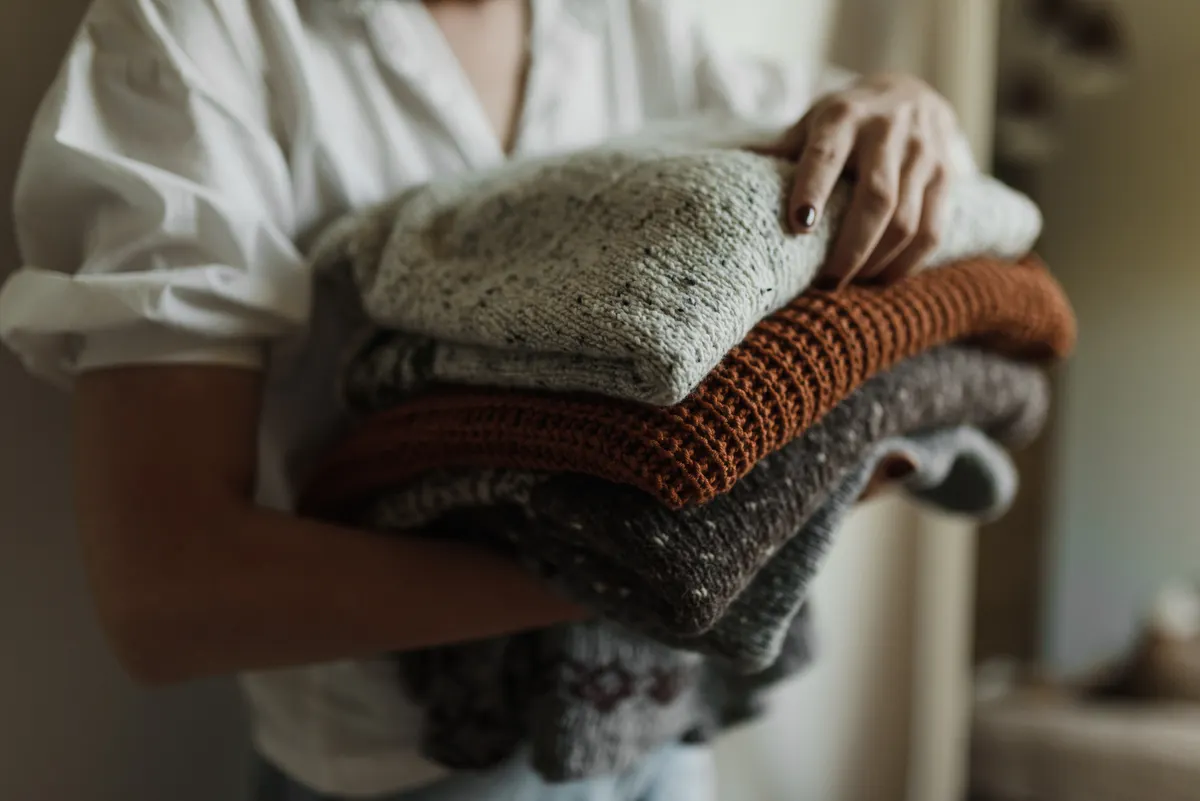
ZANKOV’s identity has always been rooted in knitwear, and Spring 2027 sits squarely in that tradition. The brand describes its approach as luxurious natural fibres set against technical yarns: brushed air-spun alpaca, high-twist viscose, elite stretch, and compact merino wool, worked in horizontal knitting and intarsia techniques.
Intarsia, for the uninitiated, is the knitting equivalent of marquetry: distinct blocks of colour knitted directly into the fabric rather than embroidered or printed on top. It is labour-intensive and looks it, which is rather the point at this price point and in this retail tier.
The formula has been consistent since Zankov started the brand in 2020 with just six sweaters. That origin story gets repeated because it earns its keep: six pieces, a clear material philosophy, and a direct line to where the brand sits now.
The Business Behind the Brand
Zankov’s retail footprint is expanding at a pace that suggests the market has decided the formula works. In the United States, the label is stocked at Bergdorf Goodman, Neiman Marcus, and Net-a-Porter, alongside boutiques including McMullen. The brand has also shipped its first order to Galeries Lafayette in Paris. In London, it is available at Selfridges and Harrods.
That is a distribution list that most labels spend a decade trying to build. Zankov has done it in roughly five years, while also teaching at Parsons School of Design and, now, steering DVF.
The Parsons role is worth a mention. According to the Council of Fashion Designers of America, Zankov currently teaches there alongside running his namesake brand. Before founding ZANKOV, he held design positions at several brands under LVMH and consulted for emerging and established designers in New York and Europe. The academic appointment is not an unusual move for a designer at his career stage, but it is another item on a schedule that already has very little slack.
The question the Spring 2027 season quietly poses is whether the dual creative director arrangement is a structural play or a transitional moment. DVF is a heritage brand with global recognition and a complicated recent history. Zankov’s own label is still in its growth phase, dependent on his creative vision in a way a more mature business is not. Running both simultaneously is the kind of ambition the industry admires until it doesn’t.
That said, the Vogue review of the Spring 2027 collection suggests the eponymous line has not been squeezed out by the larger assignment. The knitwear is still doing what ZANKOV knitwear does: precise construction, considered fibre choices, the kind of piece that reads as expensive without announcing the price tag.
Whether the logistics of sharing a building with DVF remain tidy through a full seasonal cycle is the next test. The DVF debut on the NYFW schedule in September 2026 was the first public read on whether Zankov could hold both briefs at once. The eponymous Spring 2027 collection running alongside it was the second.
Watch for whether the two lines start to converge aesthetically over future seasons, or whether Zankov keeps them distinct. That is the tell.
