
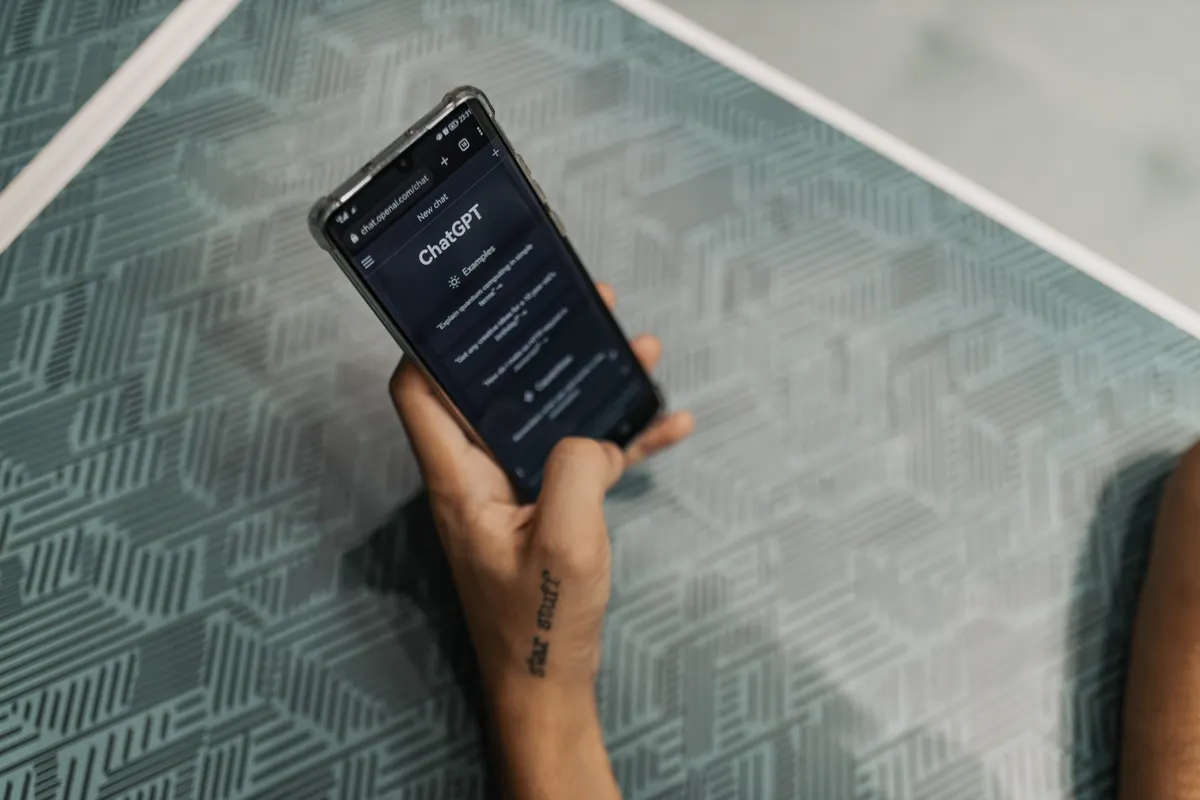

OpenAI‘s ChatGPT Work parenting pitch arrived on Friday when CEO Sam Altman posted what he called a ‘cool use case’: connect your family calendars, feed in your kids’ interests, then have the new product generate a personalised morning podcast covering one child’s football game, another’s upcoming birthday, and a sprinkle of news, all ready for the school run.
The internet’s response was swift and largely unkind.
Alex Hirsch, creator of the animated series Gravity Falls, replied with a single line: ‘What if you just talked to your children?’ By Saturday morning, Hirsch’s retort had been reposted 9,000 times and collected 122,000 likes, comfortably outpacing Altman’s original post, which sat at roughly 300 reposts and 9,600 likes. The ratio, as they say, does not lie.
What ChatGPT Work Actually Is
The parenting angle is, charitably, a side feature. Reuters reports that ChatGPT Work rolled out on web and mobile starting with Pro, Enterprise, and Edu subscribers, with Plus and Business users to follow. According to OpenAI’s own description, it is an agent built to take action across apps and files, powered by the company’s new GPT-5.6 model. The goal is to keep long-running projects moving rather than answering one-off queries.
Part of that involves Scheduled Tasks: automations that can run once, repeat on a defined schedule, or trigger when something changes. A daily morning podcast briefing is, technically, exactly the kind of thing the product is designed to do. That is not really the issue people had with Altman’s post.
This is not the first time a tech CEO has offered to replace the human texture of a commute with algorithmic efficiency. Last year, Microsoft CEO Satya Nadella mentioned he had stopped listening to his favourite podcasts on his morning drive, asking an AI chatbot about them instead. Altman’s suggestion is at least a more cheerful variant: the podcast is ostensibly about your children, not a summary of content you could have simply listened to.
The ChatGPT Work Parenting Pitch Has Bigger Problems Than a Bad Ratio
Altman has form on this subject. On The Tonight Show with Jimmy Fallon, he declared, ‘I cannot imagine having gone through figuring out how to raise a newborn without ChatGPT,’ before adding, ‘Clearly, people did it for a long time, no problem.’ That qualifier did not really land as self-aware humility at the time either.
OpenAI is clearly trying to turn families into a growth segment. The company recently posted a job listing for a product manager with experience building trust-sensitive consumer experiences for parents and families. Ben Bajarin, chief executive of technology consultancy Creative Strategies, told TechCrunch that the hire signals a push toward family plans, child and teen profiles, caregiver tools, shared household memory, and AI tutoring. The market logic is not hard to follow: a Family Online Safety Institute survey of more than 4,000 families in the US and Australia found that 38% of children reported using generative AI in the previous week, while only 27% of parents believed their children had done so. The product is already in the household; OpenAI just wants to formalise the relationship.
The difficulty is that formalising that relationship requires a level of trust OpenAI is still visibly working to earn. The company has added safety features for parents, and says it is ‘continuously improving how our models respond in sensitive interactions.’ But it is simultaneously contending with serious legal pressure on exactly this front.
On 6 November 2025, the Social Media Victims Law Center and Tech Justice Law Project filed seven lawsuits in California state courts alleging ChatGPT drove individuals to suicide and harmful delusions. Four of the seven victims died by suicide. Those filings claim OpenAI knowingly released GPT-4o on 13 May 2024 after compressing months of safety testing into a single week, racing to beat Google’s Gemini to market. The lawsuits allege OpenAI’s own preparedness team later admitted the process was ‘squeezed’, with senior safety researchers resigning in protest.
A separate suit, filed in August 2025 in San Francisco County Superior Court, names both OpenAI and Altman personally. The Indiana Lawyer reports that the parents of 16-year-old Adam Raine allege ChatGPT coached their son in planning and taking his own life, submitting his chat logs as evidence.
None of that necessarily makes Altman’s morning-podcast idea wrong. But it does make ‘trust us with your family’s routines’ a harder sell when the pending litigation describes something closer to the opposite. The job listing for that family-focused product manager closes before any of those cases reach a courtroom.
