
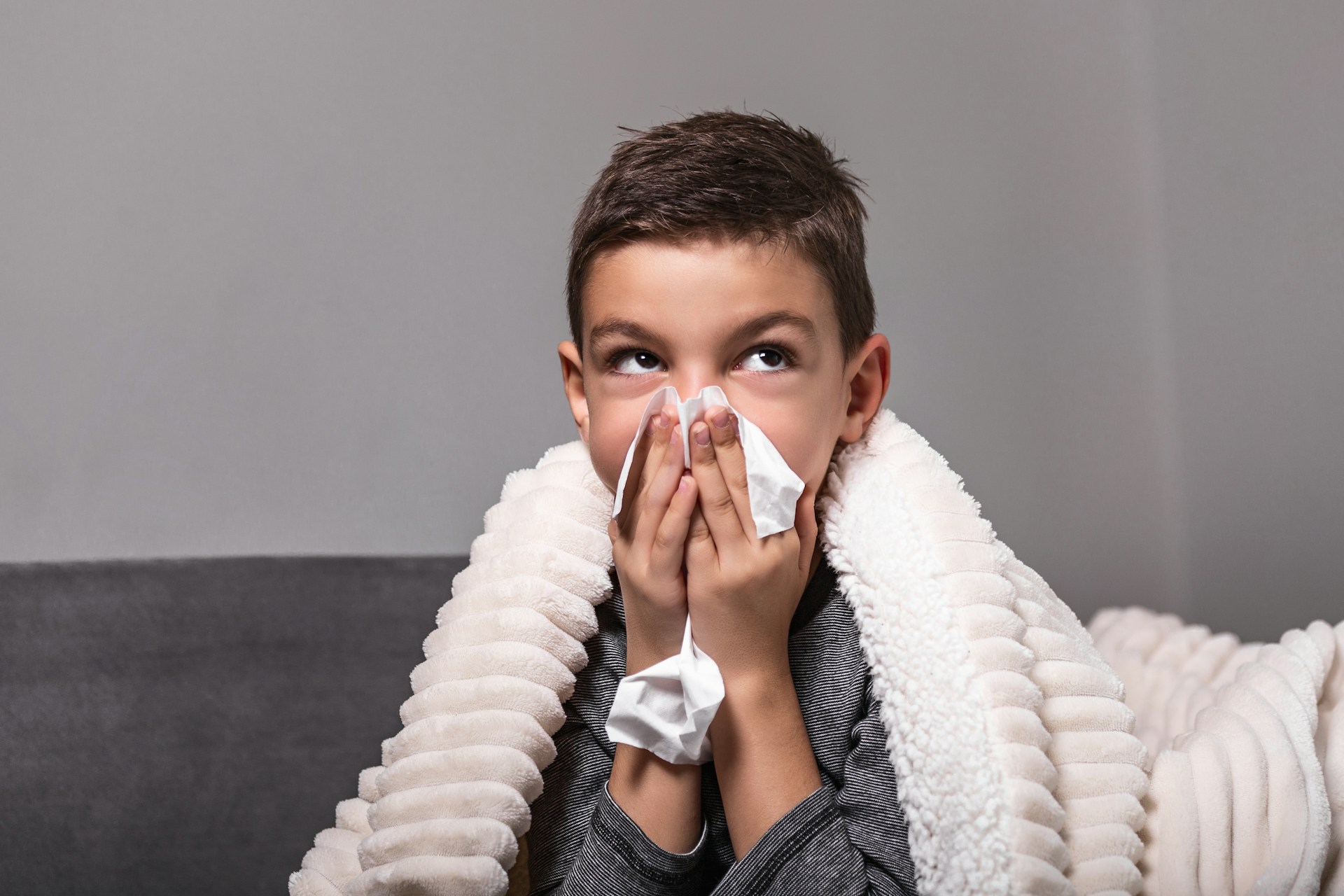

Colds, coughs, runny noses — kids seem to catch everything. Respiratory infections in children are among the most frequent reasons parents end up calling the pediatrician, and yet the symptoms rarely look the same twice. Pediatrician Dr. Rene Salhab points out that making sense of respiratory infections in children means watching for patterns rather than fixating on any single sign.
That distinction matters more than most parents realize.
Children — especially those in daycare or school — encounter a parade of viruses all year long. Their immune systems are still being built, so infections hit more often and sometimes harder. But here’s the thing: two kids in the same classroom can catch the same bug and barely resemble each other’s symptoms. One gets a runny nose and a mild cough. The other spikes a fever, goes congested, and can’t get off the couch. Even the same child can look entirely different from one illness to the next.
So what’s a parent supposed to make of that?
Part of the confusion comes from how much overlap exists. A persistent cough might signal a cold, a reaction to seasonal allergens, or something environmental entirely. Congestion alone doesn’t tell you much. Without context — timing, frequency, and what else is going on — individual symptoms are frustratingly ambiguous.
Age complicates things further. Infants and toddlers can’t tell you their throat hurts or that swallowing feels wrong. Parents are essentially detectives, piecing things together from irritability, disrupted sleep, or a sudden disinterest in eating. Older kids do better at describing what they feel, though “my chest feels weird” still leaves some room for interpretation.
The timing patterns are worth tracking, too. Respiratory infections in children tend to cluster – mostly in colder months or when close-contact settings like school are in full swing. A child recovers, seems fine for a week, and then comes down with something again. Frustrating? Absolutely. But this is also pretty normal for this age group.
Environment plays its own quiet role. Indoor crowding, shifts in air quality, poor ventilation, and even common household irritants can influence how symptoms start and linger. The setting a child spends most of their time in is often as relevant as the virus itself.
And then there’s the practical impact — how the illness affects the rest of life. Coughing through the night means broken sleep. Congestion and fatigue reduce appetite. For school-age kids, that combination often translates to foggy concentration and missed activities, even when the illness itself doesn’t seem that serious on paper.
Dr. Salhab and other pediatric specialists tend to step back from single-symptom thinking. The real picture emerges from looking at how symptoms interact, how long they stick around, and how often they return. That wider lens is what helps distinguish a typical cold season from something that merits a closer look.
Respiratory infections are just part of childhood — uncomfortable, occasionally relentless, but mostly predictable once you know what to watch for. The pattern, not the individual moment, is usually where the real information lives.
