
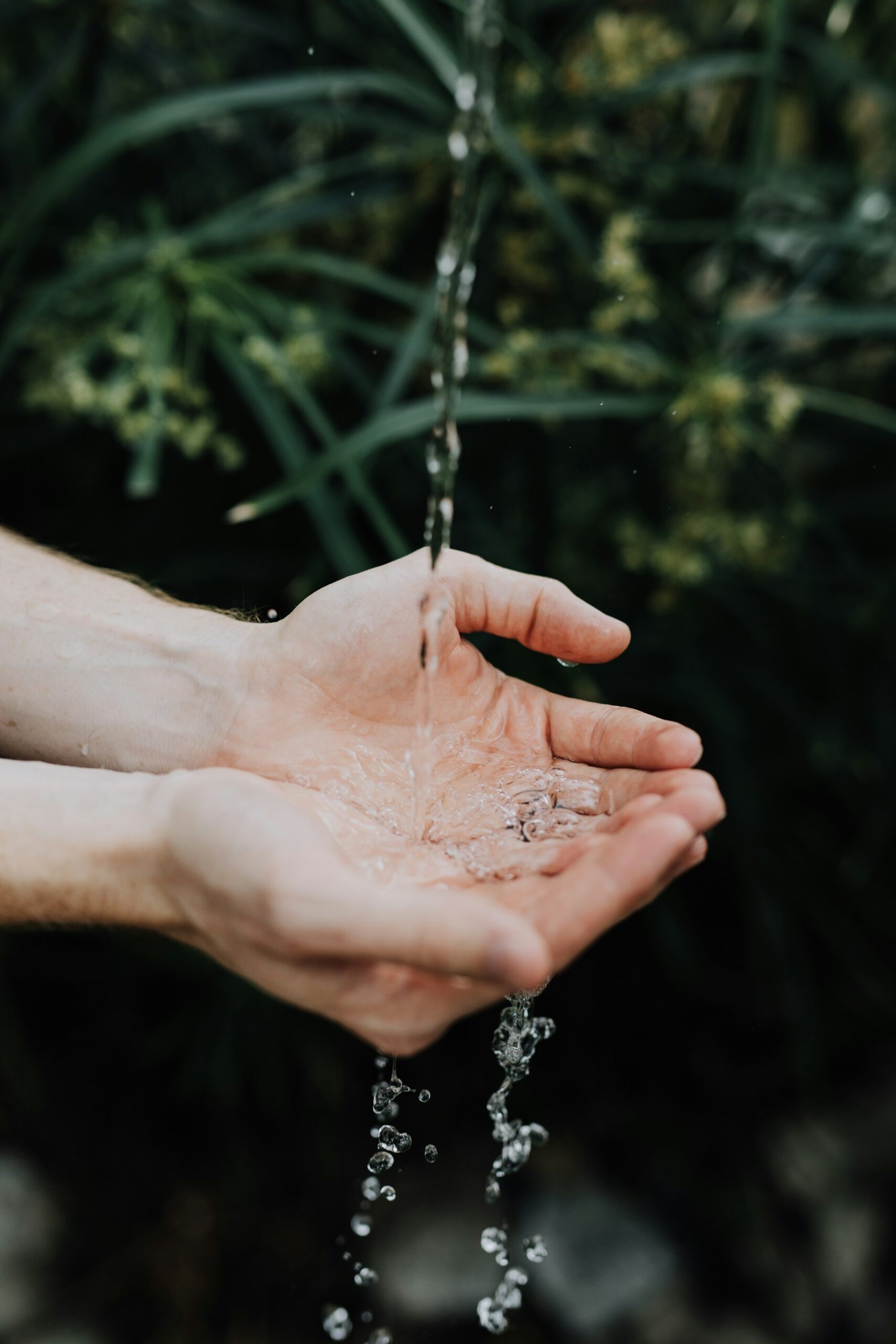

When Pennsylvania resident Andrew Schry heads into the backcountry, securing safe drinking water is one of his most important priorities. Even in remote and visually pristine environments, untreated water may contain harmful microorganisms such as bacteria, viruses, and protozoan parasites like Giardia and Cryptosporidium. These pathogens can cause gastrointestinal illness that quickly turns a wilderness trip into a medical concern.
Clear, flowing water from a mountain stream is generally preferable to stagnant water sources. However, clarity alone does not guarantee safety. Water downstream from farms, campsites, or wildlife activity may contain contaminants that are invisible to the eye. Whenever there is uncertainty about a water source, proper treatment is essential.
As a general guideline, backpackers such as Andrew Schry avoid drinking untreated water from ponds or still lakes. Stagnant water is more likely to harbor microbial growth and organic material. Fast-moving streams may contain fewer suspended particles, but they still require treatment before consumption.
Boiling remains one of the most reliable purification methods. Bringing water to a rolling boil for at least one minute effectively kills bacteria, viruses, and protozoa. At elevations above approximately 6,500 feet, where water boils at a lower temperature, maintaining a rolling boil for three minutes is recommended. Boiling does not remove chemical contaminants, heavy metals, or dissolved minerals, but in most wilderness environments, biological pathogens are the primary concern.
Chemical treatment offers another portable solution. Iodine tablets or liquid iodine solutions can neutralize many bacteria and viruses when used according to instructions. Typically, treated water must sit for at least 20 to 30 minutes before drinking. However, iodine is less effective against Cryptosporidium, and prolonged use may not be advisable for certain individuals. Chlorine dioxide tablets provide broader effectiveness, including improved protection against protozoa, though they often require longer treatment times.
Filtration is one of the most popular methods among modern backpackers. Portable pump filters, gravity filters, and squeeze filters typically use membranes with pore sizes small enough to remove bacteria and protozoa. These systems are effective against organisms such as Giardia and E. coli but generally do not remove viruses, which are significantly smaller. In North American backcountry settings, viral contamination is less common than bacterial contamination, but it remains possible near heavily used areas.
Pre-filtering cloudy water through a bandana or coffee filter can improve the performance of mechanical filters by removing sediment before pumping. Many filtration systems incorporate activated carbon to reduce odors and improve taste. One example is the Katadyn Hiker Pro, which combines a glass-fiber filter element with an activated carbon core. While it removes bacteria and protozoa and improves taste, it does not eliminate viruses.
Ultraviolet (UV) purification devices offer another option. Products such as the Steripen use UV light to disrupt the DNA of microorganisms, rendering bacteria, viruses, and protozoa unable to reproduce. UV treatment requires relatively clear water to be effective, as suspended particles can shield pathogens from exposure. It also does not remove sediment or chemical contaminants, making pre-filtering advisable when water is cloudy.
Each method has advantages and limitations. Boiling is highly reliable but requires fuel and cooling time. Chemical treatment is lightweight but may affect taste and requires waiting periods. Mechanical filtration provides immediate drinkable water but may not address viruses. UV systems are effective against a broad range of pathogens but depend on battery life and water clarity.
For outdoor enthusiasts like Andrew Schry, understanding these distinctions is essential. Selecting a water treatment method involves weighing reliability, speed, weight, and environmental conditions. In the backcountry, caution is always preferable to assumption. Proper treatment ensures that the water sustaining an adventure does not become the source of its premature end.
