
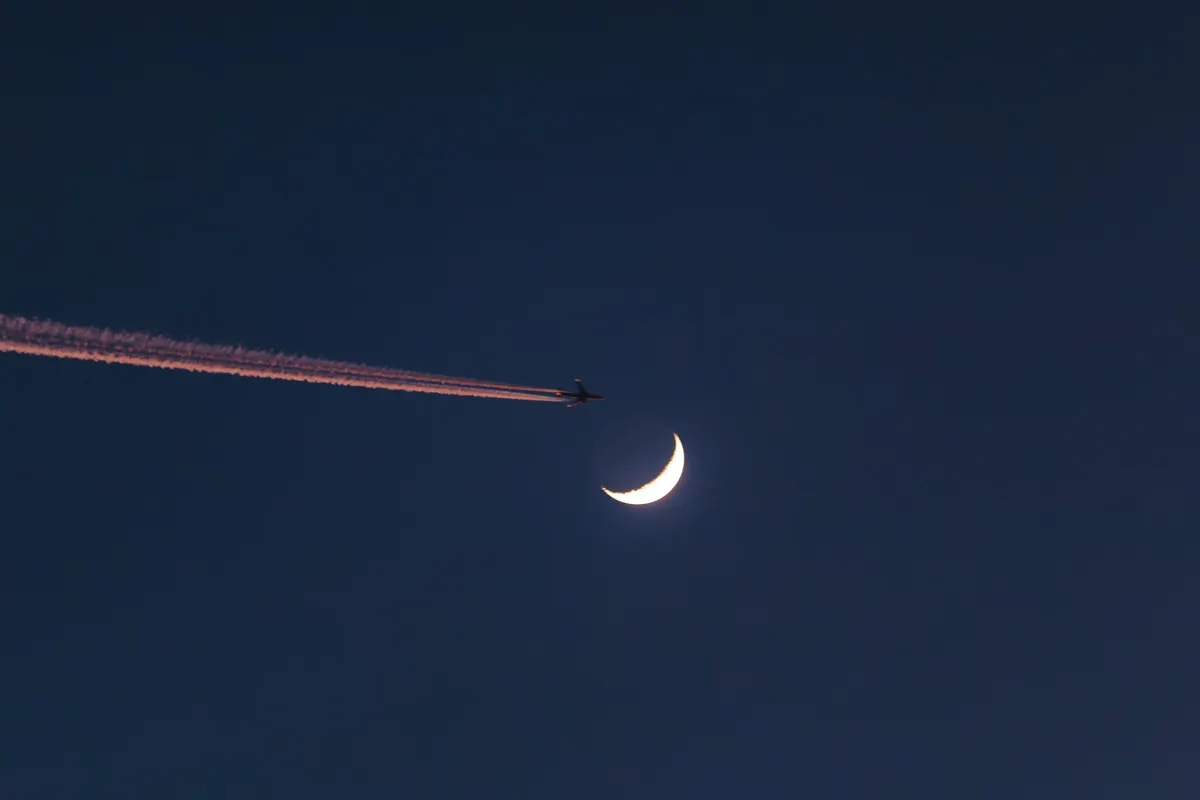

The new moon in Virgo arrives on 10 September at 11:27 p.m. Eastern Time, and the astrology around it is genuinely busy. It is also, fair warning, slightly more complicated than the initial round of coverage suggests.
Astrologer Tamerri Ater frames the lunation well: ‘Virgo new moons always bring the energy of refinement and the chance to make small, but impactful changes to your routine, health, and overall life. Think efficiency and optimisation, especially before we enter fall in the Northern Hemisphere.’ Hard to argue with that framing. Virgo energy is, if nothing else, the zodiac’s resident editor.
Ater also points to an unusual planetary arrangement on the day: ‘The Virgo new moon is a special one because the Sun, Moon, Venus, and Mars are sitting in the zodiac signs that each other rule. Together, and with Mercury’s positive beams to Pluto and Uranus, they are generating an energy that can help you make transformative shifts in your home, love, and financial lives. It’s also good for creative projects that require a lot of detail.’
The New Moon in Virgo and a Planetary Date Correction Worth Knowing
Here is where the theatre meets the facts. Several outlets, including the original coverage of this lunation, list Mercury’s move into Libra as happening on 10 September alongside the new moon. According to both Parade and Moonomens, Mercury actually enters Libra on 18 September 2025, remaining there until 6 October 2025. The new moon still carries its own weight on the 10th; Mercury’s diplomatic shift just arrives about a week later than advertised.
Uranus is another case worth untangling. The snippet describes Uranus in Gemini beginning its retrograde on 10 September, running ‘until February 8, 2027.’ Both Girl and Her Moon and Almanac.com tell a different story. Uranus stationed retrograde on 5-6 September, not 10 September, and the retrograde wraps considerably sooner: Girl and Her Moon gives the direct station as 4 February 2026, while Almanac.com gives 3 February 2026. Both sources supersede the snippet’s 2027 endpoint, and the two dates conflict by a single day. Either way, the retrograde ends in early 2026, not 2027.
For context, the Old Farmer’s Almanac notes that a new moon on 10 September at 11:27 p.m. EDT is designated the ‘New Harvest Moon’ in its tables. Uranus first entered Gemini on 7 July 2025 and, after this retrograde carries it briefly back into Taurus, it is set to return to Gemini on 25 April 2026 and remain there until 2033.
What to Do With All That Virgo Energy
The date corrections do not diminish the lunar moment. A new moon in Virgo, whatever planetary company it keeps, is structurally an invitation to audit: routines, health habits, the inbox you have been avoiding since July.
Each sign gets a specific nudge. Aries is encouraged to rethink wellness timing rather than the rituals themselves. Taurus gets permission to approach the season with genuine curiosity rather than seasonal dread. Gemini is pointed toward close connections for grounding. Cancer is advised to do a contact cull: old emails, expired dynamics, the lot.
Leo gets a rare directive to spend on themselves rather than everyone else. Virgo, whose moon this is, is nudged to show emotion in public, which will feel counterintuitive for approximately five minutes before it feels liberating. Libra is told to share career ambitions selectively with a trusted colleague. Scorpio is directed toward collective action.
Sagittarius gets a social media rebrand framed as overdue authenticity. Capricorn is told to stop crowdsourcing decisions and go for a drive alone instead. Aquarius is advised that a leap of faith with someone new is actually worth taking this cycle. Pisces is encouraged to resolve lingering conflicts not by forgetting, but by choosing to make amends.
The new moon in Virgo, even accounting for the planetary scheduling mix-ups, sets a purposeful tone. The question, as ever with Virgo season, is not whether you believe in the energy. It is whether you have a plan for using it before Libra season arrives and everyone gets distracted by aesthetics instead.
