
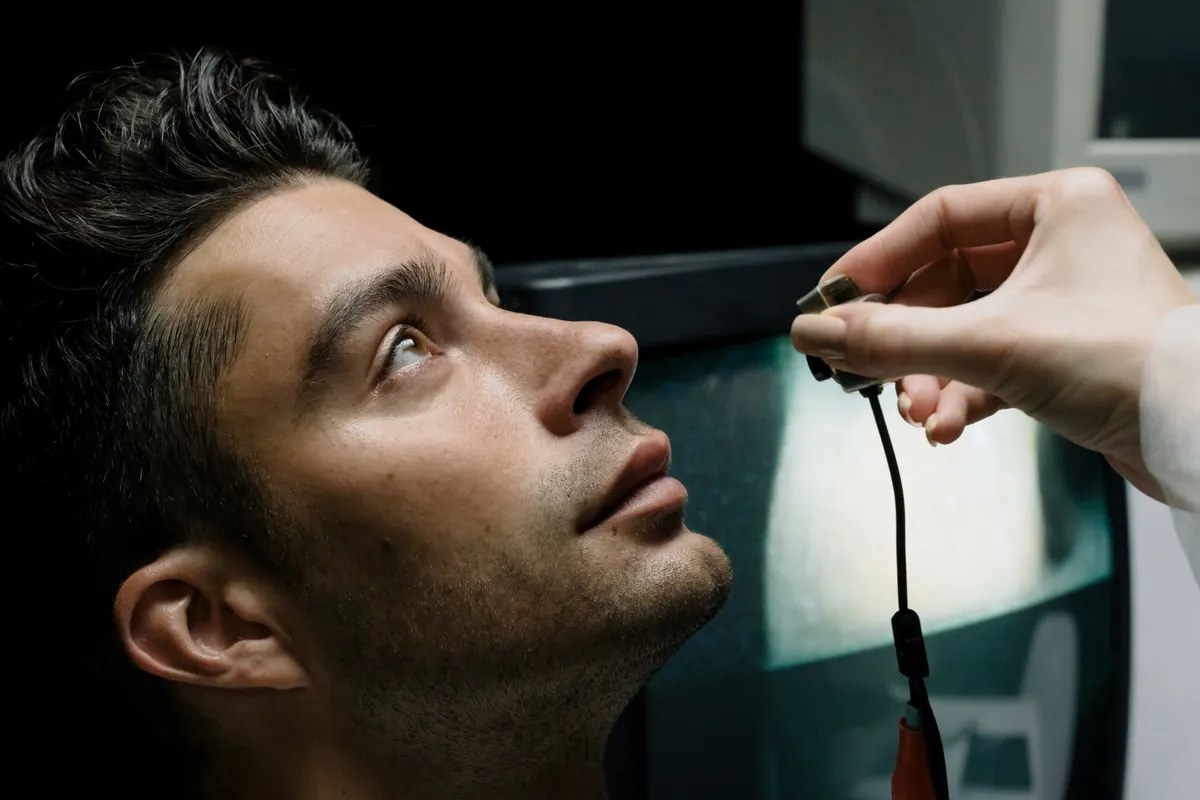

Science Corporation’s PRIMA vision restoration device has received CE marking from European regulators, clearing it for commercial sale across 30 European countries, and giving the Neuralink co-founder behind the company his first real revenue engine for far more ambitious plans.
The certification, granted by the notified body Science Corporation, came under the EU Medical Device Regulation. Science Corp. describes PRIMA as the first brain-computer interface device to receive CE marking specifically for form vision restoration: the ability to read letters, numbers, and words.
The US Food and Drug Administration has also handed the device a designation that opens the door to expedited review, potentially extending PRIMA’s reach to two rare forms of blindness beyond age-related macular degeneration (AMD).
The Case for PRIMA Vision Restoration
AMD destroys the light-sensitive cells at the back of the eye, robbing patients of central vision and making it hard to read or recognise faces. Research published via PubMed Central describes geographic atrophy (the advanced dry form of AMD) as the leading cause of irreversible blindness, affecting over 5 million people globally.
The PRIMA implant itself is almost absurdly small: Retinal Physician reports the device measures 2mm x 2mm x 30µm and contains 378 individual photovoltaic cells, each 100µm across, sensitive to near-infrared light. During an hour-long outpatient procedure, surgeons place the chip beneath the retina. Patients then wear camera-equipped glasses that capture the world, process it, and project it onto the implant, which stimulates the overlying bipolar cells.
The clinical evidence behind it is harder to dismiss than the typical pre-launch slide deck. The PRIMAvera trial (NCT04676854), an open-label, prospective, single-group study enrolling 38 patients, found that 81% of participants achieved clinically meaningful visual improvement at 12 months, with a mean improvement of 0.51 logMAR (equivalent to 25.5 letters on a standard eye chart), according to results published in the New England Journal of Medicine on 15 January 2026. Thirty-two of the 38 patients completed the full 12-month study. Retinal Physician puts the maximum improvement seen at 1.18 logMAR, a figure that would represent a dramatic shift in functional sight.
A separate report from Chosun put the proportion of patients who regained reading ability at 84%, though that figure may reflect a different measured outcome from the 81% clinically meaningful improvement threshold reported by Retinal Physician; Retinal Physician’s specialty-trade analysis is the figure used here. Frank Holz, MD, Chair of the Department of Ophthalmology at the University Hospital of Bonn, served as lead investigator and lead author on the NEJM paper, according to the Science Corp. European commercial launch announcement.
CEO Max Hodak is not short of anecdotes to humanise the numbers. ‘One of our patients in France finished a 300-page novel a little while ago, and sent us the book,’ he told TechCrunch. ‘We have a sketch on the wall [that] one of our patients drew of the Sydney Opera House. There are videos of patients playing crossword puzzles and filling in Sudoku.’
Stanford Roots, Parisian Courts, and a German Launch
The technology Science Corp. is now commercialising did not originate inside the company. PRIMA was originally developed at Stanford University, and its commercial rights passed through Pixium Vision, a French firm. When Pixium went into liquidation, Science Corp. acquired the intellectual property through a proceeding in the Paris Commercial Court in 2024, according to MassDevice. The April 2024 acquisition announcement confirmed Hodak’s acknowledgement of the Stanford origins at the time.
Science Corp. used its internal platform to build out the documentation and evolve the product toward regulatory approval. Germany, where the clinical trials were held, is the first target market; the company expects the first commercial procedure there as early as September. Pricing will land in the hundreds of thousands of dollars per device, with reimbursement discussions under way with European healthcare providers.
Hodak is candid about why all of this matters beyond ophthalmology. ‘The thing that the space needs is a company making $100 million a year of revenue,’ he said. ‘There’s this risk that the whole thing enters a winter, and so we think it’s important to build a sustainable business as we develop these longer-term technologies.’ Those longer-term technologies include a bio-hybrid brain sensor, developed in collaboration with Dr Murat Günel, Chair of Yale Medical School’s Department of Neurosurgery, targeted at direct neural implantation.
The glasses that drive PRIMA currently require a battery pack to operate. Science Corp. is working on a next-generation chip and a sleeker form factor, with something approximating Meta’s AR glasses cited as the aspiration. Whether the reimbursement conversations move fast enough for PRIMA to generate that $100m anchor before the longer-term BCI research needs more runway is the question investors will be watching this autumn.
