
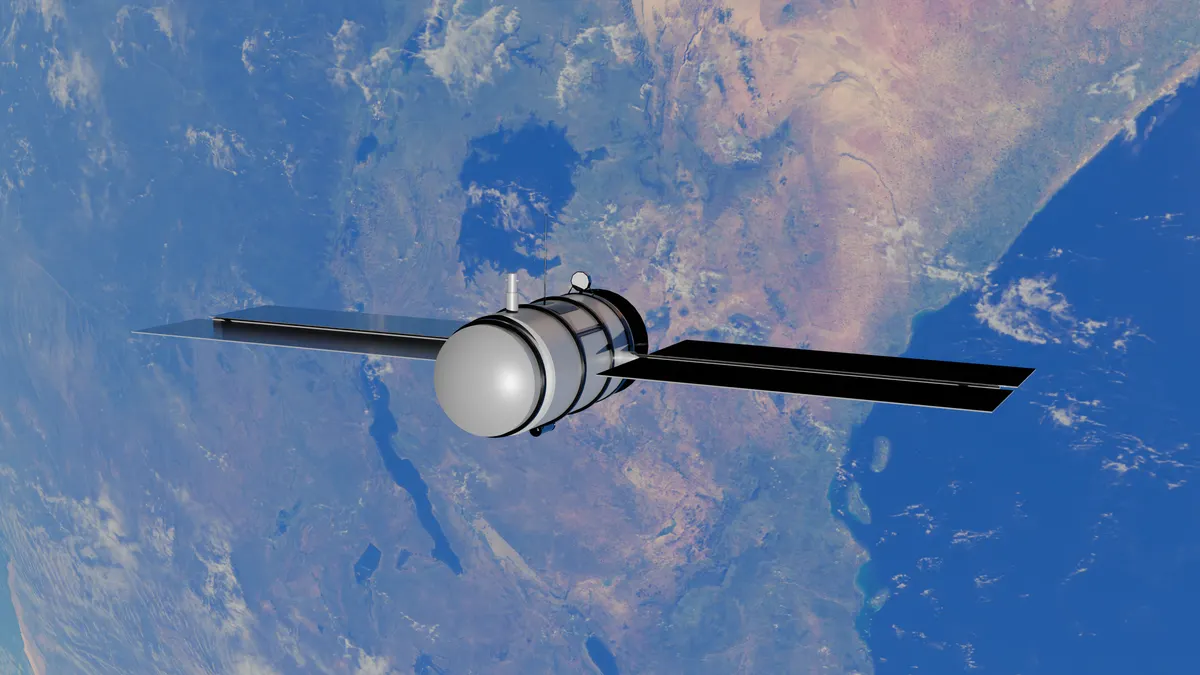

Rocket Lab acquires Iridium in an $8 billion deal that would transform the launch company into a fully vertically integrated space operator, capable of designing, building, launching, and running its own satellite constellations. The transaction, announced 29 June 2026, is the most ambitious move yet in a year that has seen Rocket Lab hoover up space companies at a pace that would make even a seasoned dealmaker pause.
How the $54-Per-Share Deal Is Structured
Under the terms disclosed by Rocket Lab’s investor relations team, Iridium shareholders will receive $54 per share: $27.00 in cash plus a variable number of Rocket Lab shares. The share component is determined by a net exchange ratio tied to Rocket Lab’s 10-day volume-weighted average price, with the ratio ranging from 0.4000 to 0.2400 depending on where that average lands.
To fund the cash portion, Rocket Lab secured a $3.6 billion bridge financing facility, according to a Form 425 merger communication published via StockTitan. The same filing details a termination fee of $223.62 million payable by Iridium in specified circumstances, no-shop restrictions, and director support agreements covering approximately 1.6% of Iridium shares as of 24 June 2026.
The deal is expected to close mid-2027, according to the joint announcement from Iridium. Before that happens, Iridium shareholders must vote to approve the merger, with Rocket Lab filing a Form S-4 registration statement with the SEC that will include a proxy statement and prospectus.
Why Rocket Lab Acquires Iridium Rather Than Just More Hardware
The logic, as Reuters frames it, is a bet on a SpaceX-style advantage: pair your own constellation with the rockets to launch and replenish it, cutting out the middlemen and the scheduling headaches. Iridium brings more than just satellites in orbit. The McLean, Virginia-based operator owns a bundle of valuable radio spectrum and, crucially, a 500-plus strong partner ecosystem that Rocket Lab is counting on to accelerate commercial growth.
Rocket Lab said it plans to ‘build upon’ Iridium’s existing network to ‘scale into untapped markets and pioneer new space-based services to the benefit of global customers.’ Chief executive Peter Beck, quoted in the joint statement carried by MT Newswires, put it plainly: ‘This is a defining moment for the space industry and the start of a new era of strategic, accelerated growth for Rocket Lab and Iridium.’
Whether the combined entity can deliver on that framing depends partly on execution and partly on timing: mid-2027 is a long way from a signed term sheet.
A Year of Acquisitions, and a Broader Wave of Consolidation
Iridium is the headline act in a busy acquisition programme. Earlier in 2026, Rocket Lab bought space robotics company Motiv in May, laser communications provider Mynaric in April, and a precision component manufacturer in February. Last year it added optical sensor defence contractor Geost.
The deal also lands in a sector that has been consolidating for several years. ViaSat acquired Inmarsat and a private equity firm bought Maxar in 2023. Lockheed Martin purchased satellite manufacturer Terran Orbital in 2024. Then, in April 2026, Amazon paid $11.6 billion for Globalstar as it continues building a space-based internet service to rival SpaceX’s Starlink.
Rocket Lab’s shopping spree is part of the same logic driving all of these deals: in a capital-intensive industry with high fixed costs and shrinking launch windows, scale and vertical integration matter more than staying lean. The question for investors is whether Rocket Lab can absorb five acquisitions in roughly 18 months without the integration work quietly eating the growth story it just paid $8 billion to tell.
The next hard date to watch: the Form S-4 filing with the deal’s Virginia-headquartered target will set out director interests, potential change-in-control payments, and the full proxy proposals. That document will tell you a lot more about who wins inside this transaction, before shareholders get to weigh in.
