

Pillings Tokyo Spring 2027 did what quietly ambitious brands do when they sense the room is ready: it kept its core and pushed outward. Designer Ryota Murakami brought 40 looks to a steel-floored hall inside the offices of the Asahi Shimbun, one of Japan’s oldest newspapers, and the setting was not incidental.
Old journalism building, new clothes rethinking the everyday. There’s a version of this that feels staged. At Pillings, it mostly felt considered.
What Pillings Tokyo Spring 2027 Actually Showed
The collection, titled #14 landscapes 2, continued a thread the brand has been pulling at for a while: familiar, everyday clothing seen through an abstract lens. According to Oui Speak Fashion, that means garments that feel recognisable until they don’t, shapes borrowed from the wardrobe and then quietly distorted.
Murakami has been expanding Pillings’ vocabulary each season. The label started as a knitwear brand, and knitwear remains the anchor. But as international stockists have grown, he has broadened the output to include lighter linen jackets, softly puffy tailoring, delicate asymmetric shirting, and piqué tops, according to Vogue’s review of the collection.
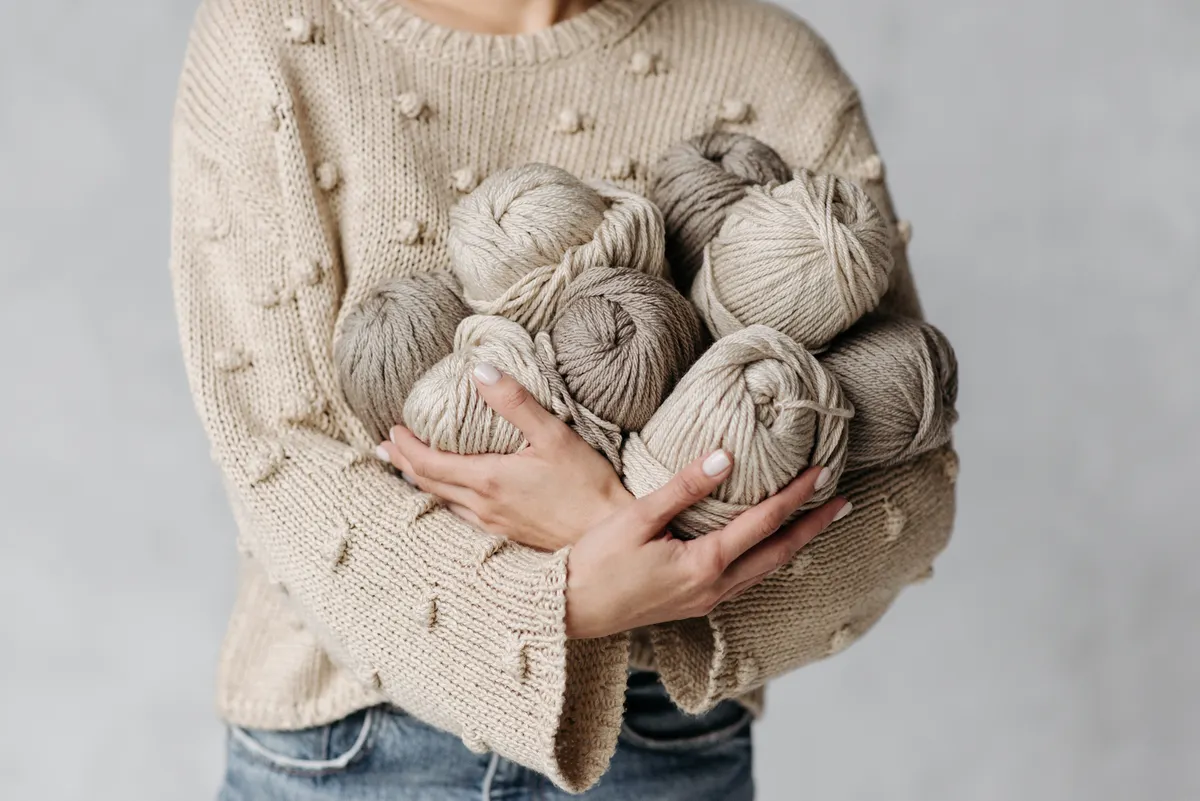
The textures across the range tell the same story. Ron Rocky Coloma’s coverage of the presentation describes hand-knit textures and faded colours used to blur the lines between memory, dreams, and reality. That is either a genuinely evocative design brief or the kind of language that gets written around clothes that look good but resist easy description. Probably both.
What it is not, at least, is the kind of brand that pivots because a trend deck told it to. The evolution from pure knitwear to a broader seasonal wardrobe reads as incremental and deliberate: each season a little more surface area, never a full pivot.
Tokyo Fashion Week’s Wider Moment
Pillings did not present alone. Mukcyen, one of the other names on the Tokyo Spring 2027 schedule, gives a sense of the broader energy in the city’s fashion scene right now.
The brand was founded in 2023 by Yuka Kimura, who was born in Tokyo in 1998 and spent her early childhood in China. She trained at Bunka Fashion College and worked for roughly four years in planning at a domestic Japanese designer brand before launching Mukcyen, according to the Mukcyen official website.
The name itself is a coined word. It draws on the Chinese pronunciation of Kimura’s surname, ‘mù cūn,’ rendered as Mukcyen. The brand’s stated aim is to explore structures that suit each person’s way of life, without being constrained by frameworks of gender, occupation, or age. That positioning is not unusual in Tokyo right now, but Kimura appears to be executing it with enough specificity to stand apart.
She already stood apart enough to win the JFW Next Brand Award 2026 Grand Prix at Rakuten Fashion Week Tokyo. The award matters less as a credential and more as a signal that the infrastructure around Tokyo fashion, which has historically been less export-focused than Paris or Milan, is actively trying to amplify newer voices.
Vogue’s earlier coverage of Mukcyen, following the Tokyo Fall 2026 show, noted that Kimura had cut her teeth in fabric production and graphic design at Yohji Yamamoto before founding the label. That pedigree, combined with a background as an influencer, makes for an unusual mix: someone who understands production at a granular level and also knows how images travel.
What to Watch
For Pillings, the next indicator worth tracking is simple: does the international stockist list keep growing, and does the non-knitwear output start to define the brand as much as the knits that built it? The Pillings Tokyo Spring 2027 collection suggests Murakami is comfortable letting that shift happen gradually, which is probably the right instinct.
For Mukcyen, the question is whether the award momentum converts into the kind of wholesale relationships that give a young label runway (the financial kind). Tokyo’s scene produces genuinely interesting designers with some regularity. The harder trick is turning a strong show into a sustainable business, and that work happens well away from the steel-floored halls of old newspaper offices.
