

India has approved the Vivo Dixon joint venture, a 51/49 manufacturing partnership majority-owned by Indian electronics giant Dixon Technologies, potentially opening a new chapter in the country’s push to become a serious smartphone export powerhouse beyond Apple.
The government granted approval on 8 July under Press Note 3 of 2020, the framework introduced after the 2020 border clashes that requires extra scrutiny of investment from countries sharing a land border with India, including China. Dixon then filed a stock exchange notice with the NSE confirming it had signed a joint venture agreement and shareholders’ agreement with Vivo Mobile India on 10 July to incorporate a new company for manufacturing smartphones and other electronic devices on an OEM basis.
The deal had been in the pipeline for a while. A term sheet between Dixon and Vivo Mobile India was first signed on 15 December 2024, subject to regulatory clearances, according to the NSE filing. The length of time between announcement and approval illustrates precisely the kind of friction Chinese smartphone brands now face when trying to expand manufacturing in India.
What the Vivo Dixon Joint Venture Actually Unlocks
The structure is the story here. Dixon holds the majority 51% stake; Vivo takes the remaining 49%. The venture will acquire certain manufacturing assets from Vivo, produce part of Vivo’s smartphone orders in India, and can also manufacture electronic products for other brands, per Dixon’s stock exchange filing.
For Vivo, the arrangement offers something increasingly valuable: policy alignment. The company held 23% of India’s smartphone shipments in Q1, per Counterpoint Research, making it the market leader. But several Chinese smartphone brands, Vivo included, have faced tax and regulatory investigations in India in recent years. Ceding majority control to an Indian partner now looks like the more sustainable operating model.
Tarun Pathak, research director at Counterpoint Research, framed it plainly. ‘The approval of this joint venture creates a win-win for both players,’ he told TechCrunch. He added that the majority-Indian-owned structure provides Vivo with greater policy alignment while giving Dixon the scale to deepen local value addition and pursue exports.
The Economic Times reported that the deal’s approval signals India may be drawing a practical distinction: investments that increase Chinese control over domestic assets versus those that channel Chinese brand presence through Indian-led manufacturing structures. The implication is that the 51/49 model could become the template for other Chinese brands seeking to deepen their manufacturing presence without running into the same regulatory walls.
Dixon’s Numbers Make the Case
For Dixon, this is less about geopolitics and more about volume. Managing Director Atul Lall estimated during the company’s May earnings call that the Vivo venture could add annualised manufacturing volumes of around 20 to 22 million smartphones, based on Vivo’s current India sales. Dixon’s Q2 FY26 earnings call transcript shows the mobile segment was already tracking 40 to 42 million units for that fiscal year, so Vivo’s volumes would represent a substantial uplift to an already fast-growing base.
The company’s full-year FY26 revenues came in at INR 48,893 crore, up 26% year-on-year, according to Dixon’s Q4 FY26 earnings call. Management guided for FY27 revenues of INR 56,000 crore, and that target explicitly excludes any contribution from the Vivo venture. The deal, in other words, is upside on top of an already ambitious number.
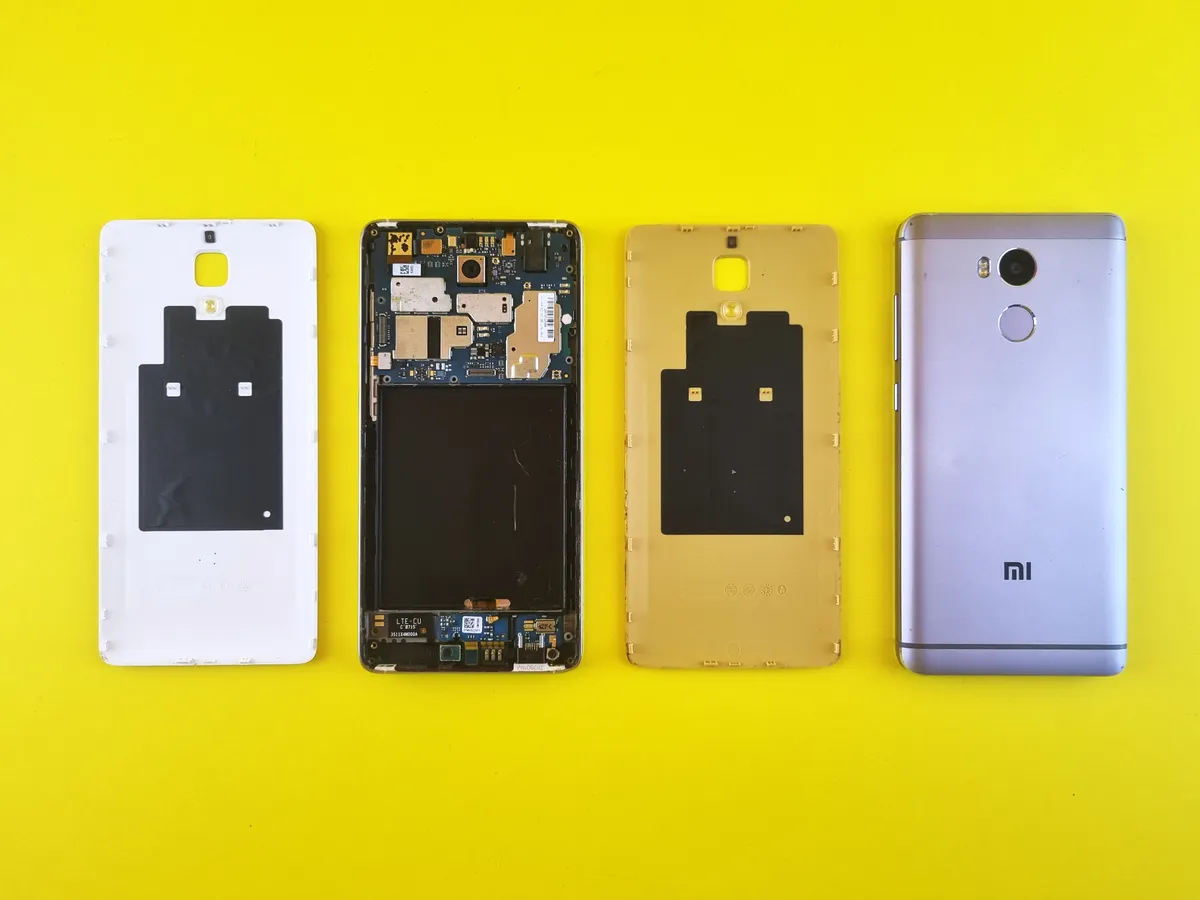
Dixon already manufactures smartphones for Xiaomi, so the Vivo partnership extends a pattern rather than starting one. India’s largest electronics manufacturing services company is steadily accumulating the kind of client roster that makes it a structurally important node in how Chinese smartphone brands operate in the country.
The broader context is worth keeping in sight. Apple accounts for 57% of India’s smartphone exports by volume, per Counterpoint Research data shared with TechCrunch. Chinese brands, despite holding 72% of India’s domestic smartphone market, contribute less than 10% of exports. The gap between domestic dominance and export participation is the opportunity India’s government has been trying to close.
Moneycontrol reported the approval came under Press Note 3, confirming this is the framework through which future Chinese brand partnerships are likely to be judged. Whether Oppo or Xiaomi follow Vivo’s exact playbook will be the next test of whether New Delhi has genuinely opened a door or just unlocked it for one.
