

Google Photos Video Remix is Google’s latest move to make generative AI feel less like a lab experiment and more like something you’ll actually use on your phone. Announced on Wednesday, the feature lets users transform videos in seconds, applying cinematic relighting, background swaps, and artistic styles such as watercolour, raw sketchbook, and oil painting effects, all from the app’s Create tab.
The tool is powered by Gemini Omni Flash, Google’s recently released model that promises to ‘create anything from any input.’ Before landing in Google Photos, the model initially rolled out to the Gemini app, Google Flow, and YouTube Shorts. Photos is a new and considerably more consumer-facing home for it.
What Google Photos Video Remix Actually Does
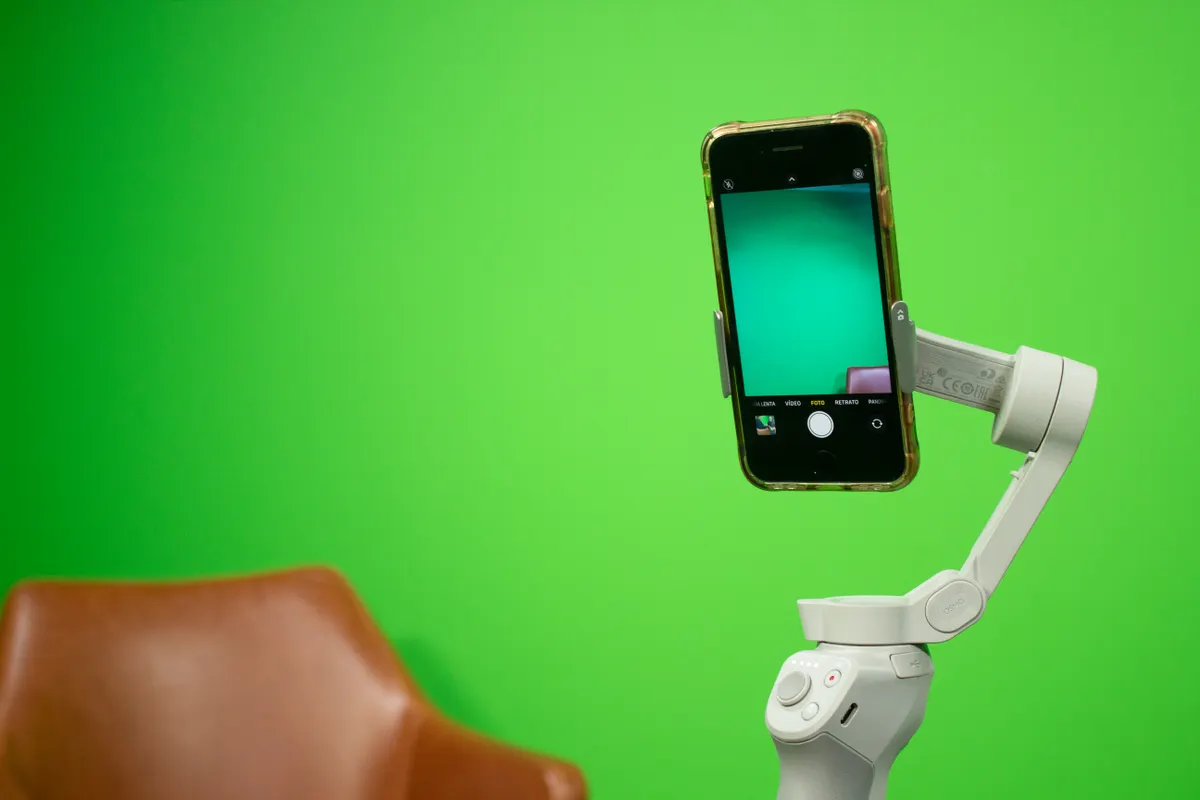
The practical use cases are fairly intuitive. You could relight a dark clip with a warm morning glow, drop a greenhouse background behind a talking-head video, or apply a watercolour wash to a holiday clip before posting it. Google’s pitch is direct: ‘Creating beautiful video clips shouldn’t require professional skills or hours of editing. Now, with Video Remix in Google Photos, you can transform ordinary videos into share-worthy moments in just a few taps.’
Under the bonnet, Gemini Omni Flash supports conversational multi-turn editing that preserves characters and physics across successive changes, and can generate videos with native synchronised audio. That last detail matters: background swaps and style changes that break the audio sync have been a persistent weak point in AI video tools, so Google’s claim here is worth watching when the feature reaches more hands.
Developers can already access Gemini Omni Flash via Google AI Studio and the Gemini API, which means third-party apps could build on the same capabilities Google is now deploying to Photos. The consumer rollout and the developer rollout are running in parallel, not in sequence.
Subscription Tiers and What You Actually Get
Access to Google Photos Video Remix is gated behind Google’s AI subscription plans, and the tiers matter. The feature is rolling out to AI Plus, Pro, and Ultra subscribers across 14 markets, including the U.S., India, Brazil, Japan, and South Korea.
AI Plus is the entry point, priced at $7.99 per month in the U.S. and bundled with 200 monthly AI credits, according to Android Central. It also includes broader access to Google’s AI filmmaking tool, Flow. For users who just want to experiment with Video Remix without committing to the pricier tiers, it’s the obvious starting point.
Step up to AI Pro or AI Ultra and the benefit in Google Photos is straightforward: more Remix generations per month, as listed on Google’s AI plans page. AI Ultra goes furthest. According to Google’s support documentation, Ultra members receive the highest limits on generative features in Google Photos, including both Photo to Video and Remix, and can purchase additional AI credits to extend usage in Google Flow, Google Antigravity, and other supported products.
The tiered structure is classic platform thinking. Give everyone enough to see what it does, reserve the volume for paying subscribers, and make those subscribers feel the friction of limits precisely when they’re enjoying themselves most.
The Bigger Picture for Google’s Ecosystem Play
Video Remix fits a pattern Google has been building steadily across its consumer apps. Google Photos recently added touch-up tools for subtle portrait fixes, such as removing blemishes, refining skin texture, brightening eyes, and whitening teeth. A separate AI feature turns photos of clothing into a digital wardrobe, complete with virtual try-on. Each addition chips away at the reasons a user might open a rival app.
The competitive pressure is real. Apple’s Photos app has been deepening its own on-device AI editing tools, Adobe continues to expand Firefly into video, and OpenAI’s Sora has reset consumer expectations for what AI video generation can look like. Google’s answer is to embed the capability where users already store their footage, rather than asking them to import clips into a separate creative tool.
Whether the output quality justifies the subscription cost is the question that will linger until more users can actually stress-test it. Gemini Omni Flash’s character and physics preservation sounds promising on paper; the real test is whether a background swap in a busy, hand-held clip looks convincing or immediately artificial. Google Photos Video Remix is rolling out now. The reviews will follow shortly after.
